


Black Bear Treatment Center LLC
310 Black Bear Ridge, Sautee Nacoochee
Payment per SAMHSA: Private health insurance · TRICARE
Accreditation in its SAMHSA record: Joint Commission
Kinds of care
DetoxResidential and inpatient rehabIOP, PHP, outpatientMAT programs (medication-assisted)Dual-diagnosis careAlcohol treatmentDrug treatmentPrograms by populationSober homes and transitional housingPayment for rehabIndependent directory · SAMHSA data, November 16, 2026
SAMHSA lists 341 rehab centers in Georgia, from detox to outpatient care. Search by city, type of care or how you pay. Not sure where to start? Call the referral line.
It helps to have the ZIP code and the insurance card at hand, whether yours or a loved one's. A paid referral line: calls are answered by a partner and never by a program in these listings.
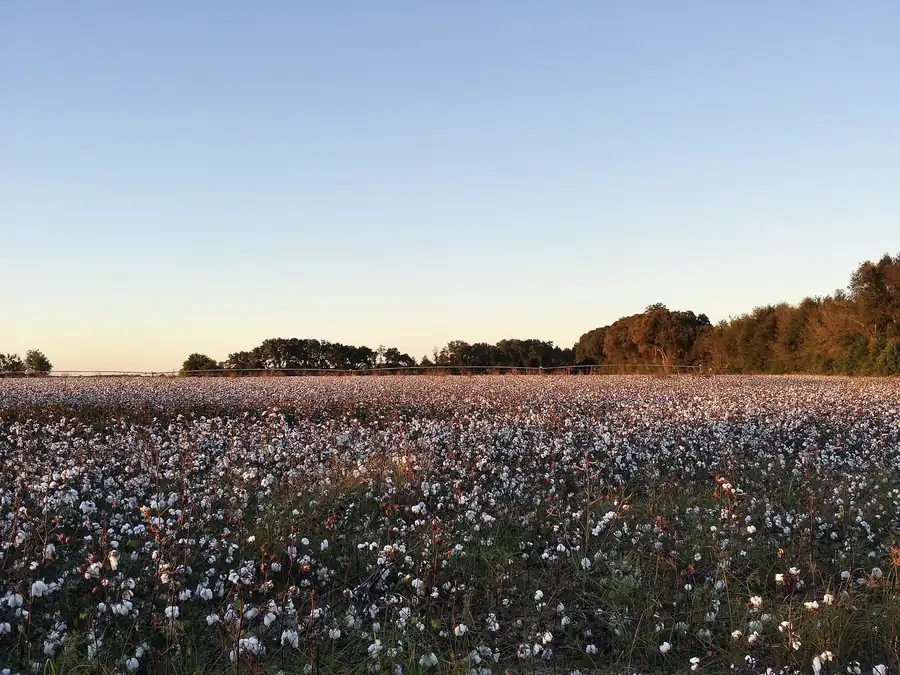
Photo: John Phelan, CC BY 4.0
Getting around the listings
341 programs are listed for Georgia; start with your city or the nearest one.
Filter the listings by care level and payment.
Its entry links to its website or FindTreatment.gov record.
No starting point? Call it. The line is paid and is not a listed program.
Is it an emergency right now?
If you drink heavily or use sedatives every day, do not quit suddenly; medically supervised detox should come first.
Where are the programs?
 Rehab in Atlanta42 facilities · 2 detox
 Rehab in Augusta10 facilities · 2 detox
 Rehab in Savannah13 facilities · 4 detox123 citiesAll 341 Georgia centers →
Free and confidential, answered 24/7. A paid referral line: calls are answered by a partner and never by a program in these listings.
What is near me?
324 of the 341 listed programs in Georgia report a street address, so each has its own pin; 17 list only a ZIP code and are left off the map. Zoom in to your area, or tap a pin to open the listing with services, payment and contact details.
Looking for a specific center?
Listed as reported to SAMHSA, data as of November 16, 2026. Georgia Rehab is not affiliated with these centers. All 309 listings.
310 Black Bear Ridge, Sautee Nacoochee
Payment per SAMHSA: Private health insurance · TRICARE
Accreditation in its SAMHSA record: Joint Commission
398 Highway 11 SW, Monroe
Payment per SAMHSA: Private health insurance · TRICARE
Accreditation in its SAMHSA record: Joint Commission
1061 Mercer Circle, Union Point
Payment per SAMHSA: Private health insurance
Accreditation in its SAMHSA record: CARF
5355 Hunter Road, Atlanta
Payment per SAMHSA: Private health insurance · TRICARE
Why trust this directory?
Read the editorial policy. This is an independent directory, not a government service; not affiliated with SAMHSA, HHS or the State.
What kind of help do I need?
How much does care cost?
No reliable public source lists rehab prices, so here is what moves the bill, with the numbers for Georgia.
83 residential and 297 outpatient programs here. A live-in stay costs more than weekly sessions.
Many people step down from residential care to a day program or intensive outpatient, which lowers the total.
55 Georgia programs list detox. It is usually billed as its own short stay.
240 take private insurance. Agreed prices and your yearly limit apply only in network.
Out of network, the plan may pay less or nothing, and the program can bill you the difference.
156 offer medication for opioid use. It may be billed apart from counseling.
Free and confidential, answered 24/7. A paid referral line: calls are answered by a partner and never by a program in these listings.
Have a quote? Work out your share. No coverage? Free and low-cost options.
Which level fits?
Outpatient is the most common level here, with 297 programs. Programs set the level with an assessment; the six-question self-check gives you a starting point.
| Kind of program | What it is | Fits when | In Georgia | With Medicaid |
|---|---|---|---|---|
| Medically supervised detox | Supervised withdrawal, a few days | Withdrawal could be risky | 55 | 26 |
| Live-in (residential or inpatient) | Live-in care, staff around the clock | Home is not safe, or outpatient did not work | 83 | 41 |
| Day treatment (PHP) | Most of the day, sleep at home | You need daily structure | 73 | 32 |
| Intensive outpatient program | Several sessions a week | You keep working or studying | 69 | 32 |
| Outpatient | Weekly counseling | Milder needs, stable home | 297 | 208 |
| MAT medication | Naltrexone, buprenorphine, methadone | Opioid or alcohol use disorder | 156 | 88 |
What to check in a listing
SAMHSA describes five signs of quality treatment. For each one, the count below shows how many Georgia entries report it to SAMHSA.
174 of the 341 Georgia entries show CARF or Joint Commission accreditation. The state license is a separate question to ask; DBHDD issues those licenses.
In 156 of 341 entries you will find medication for opioid or alcohol use, for example methadone, buprenorphine or naltrexone.
318 of the 341 entries name at least one of motivational interviewing, cognitive behavioral therapy or contingency management.
104 of the 341 entries offer couples or family therapy.
275 of the 341 entries mention support after discharge, for instance peer support or help with housing.
Why does this matter now?
In the 12 months ending June 2026, CDC counted 1,496 drug overdose deaths in Georgia.[11] That is 18% fewer than a year earlier (1,826) and 44% below the peak of 2,655 in the 12 months ending November 2022. Synthetic opioids such as fentanyl were involved in 626, cocaine in 422, methamphetamine and other psychostimulants in 545; one death can involve more than one drug. These counts are provisional and may rise as records are completed.
Naloxone reverses an opioid overdose. 160 of the 341 listed programs hand it out with overdose training; if someone may be overdosing, call 911.

How far is treatment from me?
Atlanta, Savannah and Decatur hold 20% of the listed programs.
From the center of Early County, the nearest listed detox is about 63.0 miles away; 48 of 159 counties, home to 886,065 people, are more than 30 miles from detox. See how far treatment is from every Georgia county. Other care is closer than detox. The county farthest from a listed medication (MAT) program is Clay County, about 46.5 miles; the farthest from any listed program is Quitman County, about 34.7 miles.


How do the cities compare?
Quick answers
SAMHSA's FindTreatment.gov locator lists 341 addiction treatment centers in Georgia as of November 16, 2026, run by 309 organizations in 123 cities. 297 offer outpatient care, 55 medical detox and 83 residential care. Browse them on the directory, by city or by type of care.
For covered care, usually yes. 220 of the 341 listed facilities in Georgia accept it.
Georgia Medicaid covers people with low income who are pregnant, under 19, 65 or older, blind or disabled. Adults 19 to 64 with income up to the federal poverty level who do not qualify otherwise can get Georgia Pathways to Coverage if they log 80 hours a month of work, school, community service or other qualifying activities; from January 1, 2027, people in a drug or alcohol treatment program are exempt from those hours. Medicaid pays for mental health and substance use treatment through DBHDD's community providers and the state's managed care plans. Look up rehab centers in Georgia that accept Medicaid by city and level of care.
Free rehab in Georgia exists for people who qualify, and low-cost care is more common. 110 listed programs price by income and 225 report county, state or federal funding.
The Georgia Department of Behavioral Health and Developmental Disabilities (DBHDD) is the state's public safety net, and its first job is serving people who are uninsured. It contracts with community providers in all six regions of the state for outpatient and residential addiction treatment, funded in part by the federal substance use block grant. To reach a state-funded provider near you, call or text 988. Look up free and low-cost options.
It depends on the level of care.
Detox usually lasts several days; residential programs commonly run about a month, and some longer; outpatient and intensive outpatient programs run for weeks to months. Your plan may approve the stay in parts, and many people step down from residential to outpatient care.
Programs decide with an assessment based on the ASAM criteria: withdrawal risk, physical and mental health, readiness, relapse risk and whether home supports recovery.
If outpatient care has not worked or withdrawal is risky, inpatient care is often the start. Try the level-of-care self-check.
55 programs in Georgia list medically supervised detox, most of them in the larger cities.
From the center of Early County the nearest is about 63.0 miles away. Detox beds fill quickly, so ask about openings before you travel, or use the referral line (the line is paid; calls are answered by a partner).
A paid line: a partner that is paid for calls answers, not a listed program, and not a government service.
You never need it to reach a program; every listing links to the program's own website. If you are unsure where to start, you can use the referral line (the line is paid; calls are answered by a partner).
Look through the listings above and reach a program yourself, or use the paid referral line.
A paid referral line: calls are answered by a partner and never by a program in these listings.
The listings are a snapshot of SAMHSA records from November 16, 2026, and they change whenever SAMHSA's records do.
The Georgia Rehab directory editors held this page up against the sources above on November 16, 2026. How it works.


